Critical Thinking & Analysis
Don’t Just Think—Think Sharper: How to Build Critical Thinking That Cuts Through the Noise
In a world flooded with opinions, agendas, and information overload, critical thinking and analysis are your filters for clarity. These skills help you question more intelligently, decide more confidently, and lead with precision—not noise.
Strategy #1:
Slow Down the Snap Judgment
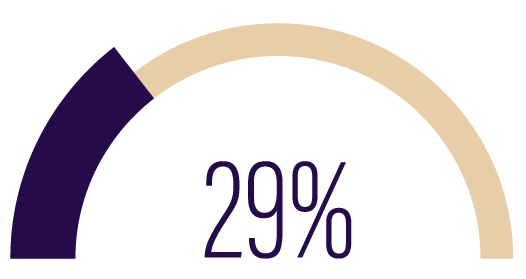
Most people operate in “fast thinking” mode—reacting out of habit instead of reflecting with intent. According to research from the University of Chicago, individuals who pause even briefly before making a decision reduce cognitive errors by up to 29%. The best critical thinkers create space between input and action. A great example: Barack Obama was known for taking deliberate pauses before responding to difficult questions. That wasn’t indecision—it was discipline. As he once said,
“Being deliberate with your words is a sign of respect—for others, and for your own mind.”
Strategy #2:
Use the “Ladder of Inference” to Check Your Bias
Critical thinkers test their own assumptions. The Ladder of Inference—a model used by leadership coaches—helps you trace how beliefs form from selective data. Ask: What am I assuming? What evidence am I ignoring? What other interpretations are possible? Netflix applies this rigor by challenging internal data assumptions through open debate and “informed dissent.” Strong analysis doesn’t protect your point of view—it pressure-tests it.
Strategy #3:
Break Problems Into Parts
Complex decisions overwhelm you until you simplify them. Critical thinkers dissect issues by mapping out the key elements, patterns, and dependencies. The “issue tree” technique, used by McKinsey consultants, breaks a problem into smaller, solvable questions. Instead of asking, “Why is performance down?” they ask, “Is it a people issue, a process issue, or a product issue?” Breaking things down makes the invisible visible—and the solution clearer.
Strategy #4:
Involve Smart Contrarians
Strong analysis isn’t done in isolation—it’s sharpened in discussion. Seek input from people who think differently than you. According to a Boston Consulting Group study, teams with cognitive diversity outperform others by 19% in decision quality. The goal isn’t consensus—it’s clarity. Steve Jobs famously kept bold contrarians around him—not to flatter him, but to challenge his instincts. He once said,
“It doesn’t make sense to hire smart people and then tell them what to do.”
Three Takeaways
Pause with purpose. Don’t react—reflect.
Test your logic. Question your assumptions and gather real evidence.
Think with others. Diverse perspectives create stronger decisions.
Your Mission
This week, apply critical thinking to a real decision. Pause before reacting. Break the issue into parts. Challenge your assumptions and ask one person with a different perspective for input. Clarity isn’t found by thinking harder—it’s built by thinking smarter.
AI Tip: Run a Clarity Drill Before You Decide
AI can help you sharpen critical thinking by forcing structure before action. Use it to summarize facts, surface assumptions, break complex issues into parts, and pressure-test your thinking with opposing viewpoints. Used intentionally, AI reduces snap judgments and blind spots—helping you move from reaction to reasoned, high-quality decisions.