Strategic Thinking
Play the Long Game: Strategic Thinking is the Skill That Multiplies Your Impact
What Is Strategic Thinking?
Strategic thinking is the ability to see beyond the task in front of you and connect today’s actions to tomorrow’s outcomes. It’s about spotting patterns, anticipating consequences, and making choices that align with your bigger vision. Strategic thinkers don’t just solve problems—they shape opportunities. They zoom out, assess the landscape, and move with purpose.
Why It Matters
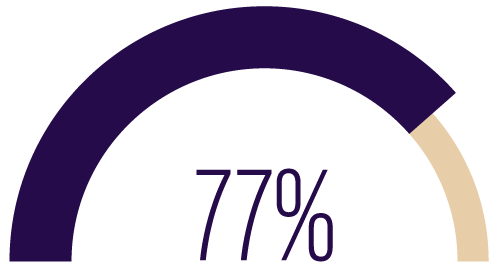
Without strategic thinking, even the hardest work can lead nowhere. According to a PwC survey, 77% of CEOs struggle to find the strategic skills they need in future leaders. Strategy isn’t just for the C-suite—it’s how anyone can add exponential value. Whether you’re choosing a career move, launching a project, or navigating team dynamics, strategic thinking helps you work smarter, not just harder.
Real-World Example
Reed Hastings, co-founder of Netflix, didn’t just build a DVD rental business—he anticipated the shift to streaming while others clung to physical media. He didn’t react to the market—he redefined it. That pivot required long-term thinking, risk tolerance, and a clear grasp of where consumer behavior was headed. Strategy turned disruption into dominance.
As Sun Tzu put it:
“Strategy without tactics is the slowest route to victory. Tactics without strategy is the noise before defeat.”
Three Takeaways
Think long-term. Don’t just win the moment—win the mission.
Question everything. Smart strategy starts with sharp analysis.
Align your actions with outcomes—or drift becomes your default.
Your Mission
Pick one decision you’re facing this week—big or small. Step back. Ask: What’s the long-term goal? What are 3 possible moves—and the likely second-order effects of each? Choose the path that gets you closer to your bigger picture, not just immediate relief. Strategic thinkers move with intent. Start now.
AI Tip: Second-Order Lens
Use AI to force long-term thinking before you lock in short-term moves. Describe the decision you’re facing and ask AI to map first-, second-, and third-order effects for a few different options. Then look for patterns. Which move compounds advantage? Which one trades future leverage for temporary relief? The value isn’t prediction. It’s perspective. AI helps you zoom out fast so you’re not just reacting to what’s urgent, but choosing what actually moves the mission forward.