Cognitive Bias
Think Again: How to Spot Bias, Break Patterns, and Make Smarter Decisions
Cognitive bias distorts even the smartest decisions—unless you actively guard against it. These four strategies will help you slow down your thinking, challenge assumptions, and consistently make clearer, more objective calls.
Strategy #1:
Slow the Decision to Speed the Outcome
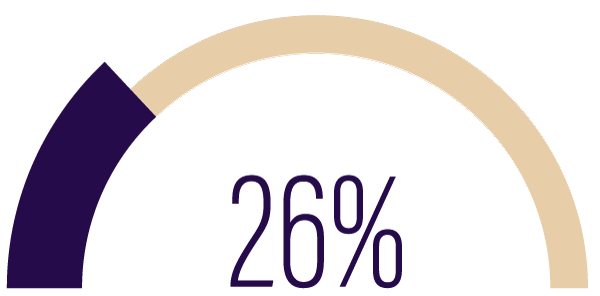
Cognitive bias thrives on autopilot thinking—fast, instinctive, and emotionally charged. One of the most effective ways to reduce bias is to build in a pause before major decisions. According to a study published in Harvard Business Review, teams that add even a 10-minute structured reflection step reduce biased decisions by up to 26%. Slowing down doesn’t mean being indecisive—it means being deliberate. Ask: What’s really influencing this choice?
Strategy #2:
Build a Bias Check into Your Process
Create a repeatable “bias check” before committing to key decisions. Ask:
Are we anchoring to initial data or impressions?
Are we ignoring inconvenient evidence?
Have we gathered perspectives beyond our own?
Bridgewater Associates (Ray Dalio’s firm) built this into their culture by requiring disagreement and counterarguments before big calls. It’s not personal—it’s procedural. As Dalio says,
“Radical open-mindedness and radical transparency are invaluable for rapid learning and effective change.”
Strategy #3:
Add Dissent by Design
One of the most effective ways to combat bias is to engineer dissent into decision-making. Appoint someone to play devil’s advocate. Bring in an outside perspective. Challenge your team to disprove their own ideas. Amazon uses this intentionally through its “disagree and commit” principle—encouraging pushback in discussion, but unified execution once a decision is made. When people feel safe to challenge the norm, the quality of thinking improves.
Strategy #4:
Keep Score Over Time
Bias isn’t always obvious in the moment—but it becomes clear in patterns. Track your key decisions and revisit them later. What worked? What didn’t? What assumptions proved wrong? This feedback loop builds decision intelligence. As psychologist Daniel Kahneman said,
“True intuitive expertise is learned from prolonged experience with good feedback.”
The smartest leaders study their past choices to sharpen their future ones.
Three Takeaways
Pause before you decide. Bias thrives in speed—clarity comes with reflection.
Challenge your default. Use structured bias checks to disrupt flawed thinking.
Invite the counterview. Diverse perspectives improve the quality of every decision.
Your Mission
This week, apply a bias check to one key decision. Pause and list the assumptions behind your choice. Seek out one dissenting opinion or alternative view. Then revisit that decision a week later to assess the result. Bias fades when you bring it into the light—and better decisions follow.
AI Tip: Red Team Prompt
Use AI to run a fast “bias check” before you commit. Paste in your decision, your reasoning, and the evidence you’re relying on. Then ask AI to identify likely biases at play, generate the strongest counterargument, and list what data would actually change your mind. Finally, have it propose a simple test you can run this week to validate your assumptions. AI won’t eliminate bias, but it can force the questions most people skip when they’re moving fast, defending ego, or anchoring to first impressions. The goal is not more opinions. It’s cleaner thinking before execution.