Ethical Decision Making
Character Over Convenience: The Discipline of Ethical Decision Making
What Is Ethical Decision Making?
Ethical decision making is the discipline of doing what’s right—even when it’s inconvenient, unpopular, or costly. It’s about holding the line under pressure, weighing the consequences of your actions, and refusing to trade long-term trust for short-term gain. Ethics isn’t theory—it’s practice, especially when the stakes are high and the easy path tempts.
Why It Matters
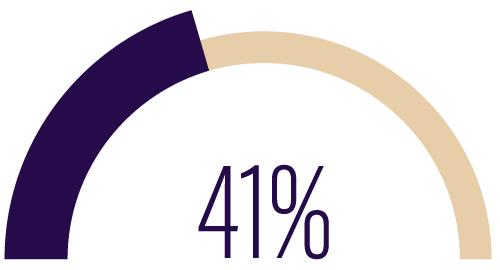
Your reputation is your most valuable asset—and it can be lost in one bad choice. According to a 2022 Gallup poll, only 41% of Americans believe business leaders have high ethical standards. That means trust is in short supply—and those who operate with integrity become rare and respected. In every industry, the real leaders are the ones who can be trusted when no one’s watching and nothing’s easy.
Real-World Example
When Johnson & Johnson faced the Tylenol poisoning crisis in 1982, they pulled 31 million bottles off shelves—despite no proof the contamination came from inside the company. It cost them over $100 million in the short term but preserved their credibility for decades. That wasn’t PR. That was principle.
As General Norman Schwarzkopf put it:
“The truth of the matter is that you always know the right thing to do. The hard part is doing it.”
Three Takeaways
Ethics isn’t about knowing right from wrong—it’s about choosing it.
Trust takes years to build—and seconds to lose.
The right decision is often the hard one.
Your Mission
Think about one decision you’re facing—big or small. Ask yourself: If this choice were public, would I still make it? Would I be proud of it a year from now? Then act accordingly. In the long run, your character is your currency. Spend it wisely.
AI Tip: Ethics Check
Use AI to slow down high-pressure decisions where shortcuts look tempting. Lay out the choice, the incentives, and who is affected, then ask AI to surface ethical risks, unintended consequences, and long-term trust implications. Use it to explore how the decision would look if it were public, repeated, or made by someone you respect. The goal isn’t moral outsourcing. It’s clarity. AI helps you see beyond convenience to consequence. Integrity still comes from you—and from choosing the harder right over the easier wrong.