Project Planning
From Idea to Impact: The Planning Framework That Turns Vision into Results
Most projects fail before they start—because they aren’t planned well. Project planning isn’t about filling out a Gantt chart—it’s about creating a roadmap you can actually follow under pressure. Great plans reduce chaos, align teams, and create momentum that lasts.
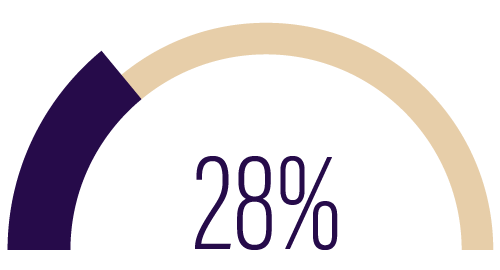
According to the Project Management Institute, organizations that use proven project planning frameworks are 28% more likely to meet their goals on time and within budget. Good planning doesn’t slow you down—it speeds up execution by eliminating confusion.
Science-Backed Planning Framework: The 5D Method
Step 1:
Define the Outcome
Start by getting crystal clear on what “done” looks like. Use the SMART model (Specific, Measurable, Achievable, Relevant, Time-bound) to shape a goal you can actually hit.
Step 2:
Divide the Milestones
Break the project into 3–5 major milestones. Each one should be a clear checkpoint that builds momentum. Research shows that milestones increase motivation and follow-through by giving teams visible progress markers.
Step 3:
Design the Workflow
Map the tasks required to hit each milestone. Assign ownership, deadlines, and dependencies. Use a simple tool like a Kanban board, timeline, or RACI chart to bring structure and accountability.
Step 4:
Detect the Risks
Every plan has blind spots. Identify the top 2–3 likely risks—missed deadlines, budget overruns, resource gaps—and build contingency moves for each. This keeps the team moving forward even when things don’t go according to plan.
Step 5:
Drive the Execution
Hold weekly progress checks. Celebrate completed milestones, adapt as needed, and reinforce the “why” behind the work. Momentum thrives in motion—and clear communication keeps the wheels turning.
When NASA led the Apollo 11 mission to the moon, they weren’t just relying on inspiration—they followed a meticulous plan that accounted for thousands of variables. They had a clear objective, well-defined milestones, redundant systems, and backup plans for every stage. The execution wasn’t perfect—but the planning made it resilient.
As Dwight D. Eisenhower once said:
“Plans are worthless, but planning is everything.”
Three Takeaways
A strong plan builds resilience—not rigidity.
Clear milestones turn big goals into achievable steps.
Planning isn’t optional—it’s your launchpad for action.
Your Mission
Choose one real project on your plate. Apply the 5D Method: Define it, Divide the milestones, Design the workflow, Detect the risks, Drive the execution. Don’t wait until you’re “ready”—start shaping the path now. The best projects don’t just get built. They get planned to win.
AI Tip: Execution Map
Use AI to turn a plan into something you can actually run under pressure. Start by asking it to restate your project goal in clear, measurable terms. Then use AI to break that goal into milestones, flag hidden dependencies, and surface risks you might be glossing over. Ask it where timelines are unrealistic and where ownership is unclear. The advantage isn’t a prettier plan. It’s fewer surprises once work starts. AI helps you see the full execution path early so momentum doesn’t collapse when reality hits.